Piper PA-28 Cherokee / Warrior / Archer Checklist
A free, printable Piper PA-28 Cherokee / Warrior / Archer checklist — 20 sections from Preflight Inspection to Carburetor Icing, free to edit, sized for a kneeboard.
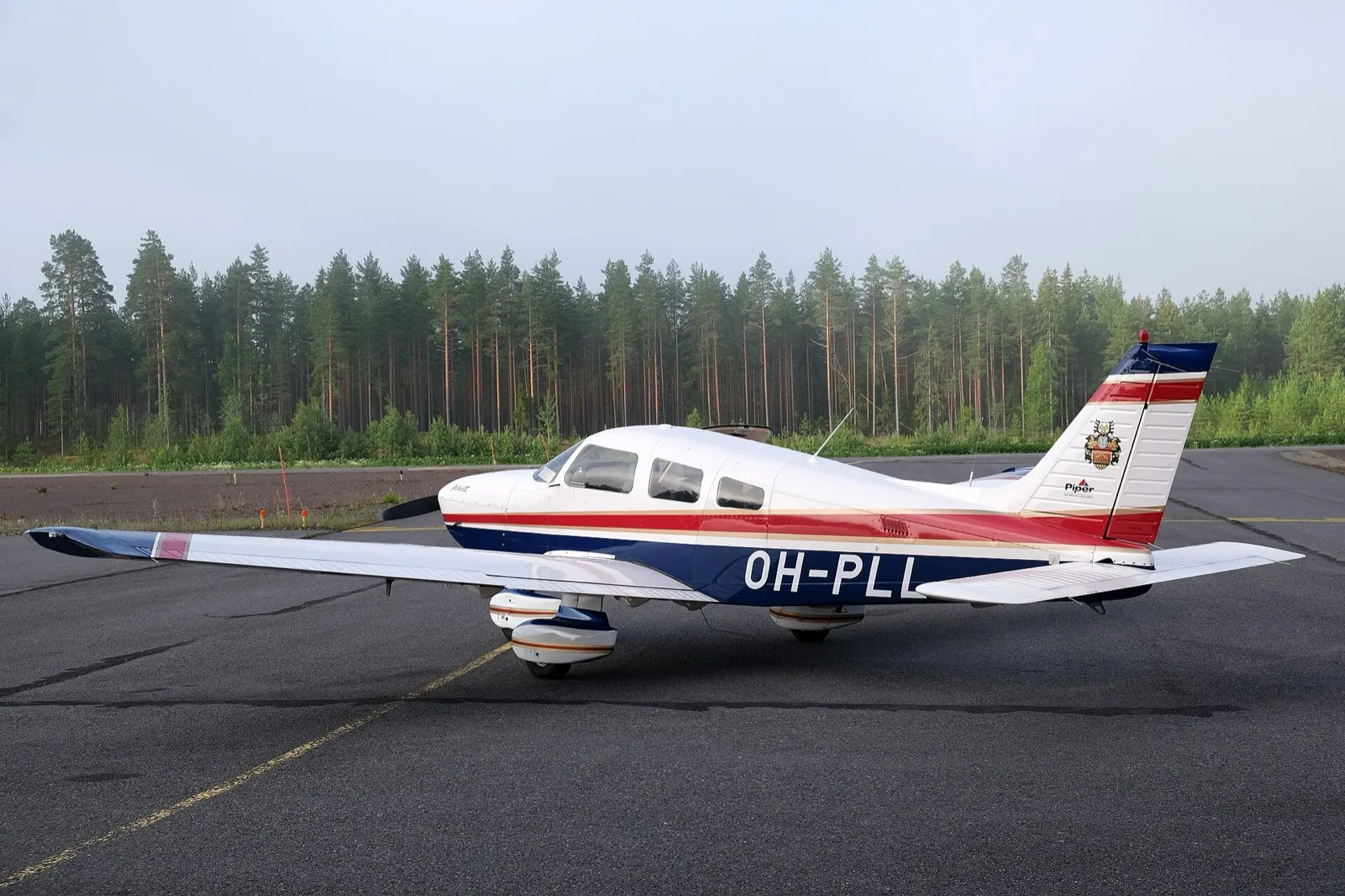
What the Piper PA-28 Cherokee / Warrior / Archer is
Piper’s low-wing answer to the Cessna trainers: four seats, one engine, in production since 1960. Cherokee, Warrior, and Archer differ mainly in wing and horsepower. The Cherokee 140/160 came first on the short constant-chord “Hershey bar” wing, the Warrior (PA-28-161) added a longer semi-tapered wing and 160 hp, and the Archer (PA-28-181) puts a 180 hp Lycoming O-360 up front. All three share one cabin door on the right, fixed tricycle gear, and a fuel selector with LEFT, RIGHT, and OFF but no BOTH. Most rental Pipers are still carbureted, so carb heat is part of the flow; only the diesel Archer DX/DLX and fuel-injected Pilot 100i break that pattern. This printable checklist is built around the carbureted Archer II/III; Warrior and Cherokee-140 pilots pull V-speeds from their own POH.
The PA-28 is where I send people who want a low-wing after training in Cessnas. I built the checklist around the carbureted Archer because that is what most rentals still are, with the fuel selector and carb heat front and center since those bite Cherokee pilots. Print it, add your tail number, fly the numbers in your own POH.
Normal procedures
Preflight through securing in the order you fly it, short and soft-field takeoffs included, plus an Archer II/III V-speed table. Two items repeat on purpose. With no BOTH position, the fuel selector reappears at start, run-up, cruise, before landing, and shutdown. Carb heat is called on indication of icing rather than run continuously, and generally not carried through the approach where the power it costs could matter on a go-around.
Emergency procedures
Memory items are in bold. Covered: engine failure on the takeoff roll, after takeoff, and in flight with a restart attempt, plus engine fire, electrical fire or cockpit smoke, an alternator abnormal, and carb icing. A few steps read “per POH” where sources disagreed. It is a conservative training aid, not an approved procedure: verify each flow against your POH and brief it with your instructor.
Verify it against your POH
These vary by model, serial, and operator:
- Takeoff flaps. Archers are commonly flown at 0°, but settings and named short/soft-field procedures vary by serial.
- Engine-fire vents. Sources split on open (clear the smoke) versus closed (starve the fire); the checklist says “per POH.”
- Fuel drains. One sump per wing tank plus the belly strainer is confirmed; some serials add more.
- Best glide. 73 to 76 KIAS depending on source and weight.
- Rotation speed. 55 to 60 KIAS depending on flap setting.
- Section boundaries. Engine failure after takeoff and in flight are split here by altitude; your POH may combine them with a different memory-item set.
- Warrior and Cherokee-140 numbers. Archer II/III-representative table; Warrior figures run close but differ (e.g. Vne ~160 vs ~154).
Why not just print a static PDF?
- It's free with no caps — build, edit, save, and print as many as you want.
- You can add your own tail number and logo, so the checklist matches your airplane.
- Every page size is here — half-letter, A5, letter, and folding trifold or 2-up.
A PDF from the internet doesn't know your tail number, your panel, or your instructor's habits. Build your own in the time it takes to read this page — still free.
What's inside
- Preflight Inspection
- Before Start
- Engine Start
- Before Taxi & Taxi
- Run-up & Before Takeoff
- Takeoff
- Climb
- Cruise
- Descent
- Before Landing
- After Landing
- Shutdown & Securing
- V-Speeds (Archer II/III, typical)
- EmergencyEngine Failure on Takeoff Roll
- Engine Failure After Takeoff (Low Altitude)
- Engine Failure in Flight (Altitude Available)
- Engine Fire in Flight
- Electrical Fire / Smoke in Cockpit
- Alternator / Electrical Failure (Abnormal)
- Carburetor Icing (Abnormal)
Questions pilots ask
- Is there a printable PA-28 emergency checklist here?
- Yes. The emergency and abnormal section covers engine failure on the takeoff roll, engine failure after takeoff, engine failure in flight with a restart attempt, engine fire, electrical fire / smoke in the cockpit, an alternator/electrical abnormal, and a carburetor-icing flow, with the memory items in bold. It is a conservative training aid, so verify every step against your aircraft's POH.
- What speeds are in the PA-28 checklist?
- The checklist carries an Archer II/III-representative V-speed table (rotation, climb, best glide around 73–76 KIAS, approach speeds). Warrior and early Cherokee-140 numbers run close but differ — for example Vne is roughly 154 vs 160 — so pull yours from that model's own POH.
- What is the difference between a Piper Cherokee, Warrior, and Archer?
- Wing and horsepower, mostly: the Cherokee 140 and 160 fly the short constant-chord "Hershey bar" wing at 140 and 160 hp, the Warrior (PA-28-161) adds a longer semi-tapered wing at 160 hp, and the Archer (PA-28-181) keeps that wing with a 180 hp Lycoming O-360. Everything a checklist cares about is shared: one cabin door on the right, fixed tricycle gear, carb heat on most rentals, and a fuel selector with LEFT, RIGHT, and OFF but no BOTH. This checklist is built around the carbureted Archer II/III, so Warrior and Cherokee-140 pilots use the same flow and pull the V-speeds from their own POH.
- There's no BOTH on the fuel selector — how should I manage fuel?
- That's the single biggest thing this airframe asks of you. The PA-28 selector is LEFT, RIGHT, or OFF, so you have to actively switch tanks in cruise on a routine and confirm the engine keeps running after each switch. Common practice is to keep a hand near the selector for about 15 seconds after a change and watch fuel pressure hold before trusting it. The checklist repeats the fuel selector at start, run-up, cruise, before landing, and shutdown for exactly this reason.
- Does the PA-28 have carb heat, and when do I use it?
- The carbureted Cherokee, Warrior, and Archer all have a carb-heat control. POH guidance is to apply it on indication of icing — rough running or an unexplained RPM drop — not to run it continuously. It is generally not left on during approach, because the power it costs could matter for a go-around. If you fly a fuel-injected or diesel Archer, this doesn't apply and you should build from that variant's POH.
- My PA-28 has retractable gear — can I use this?
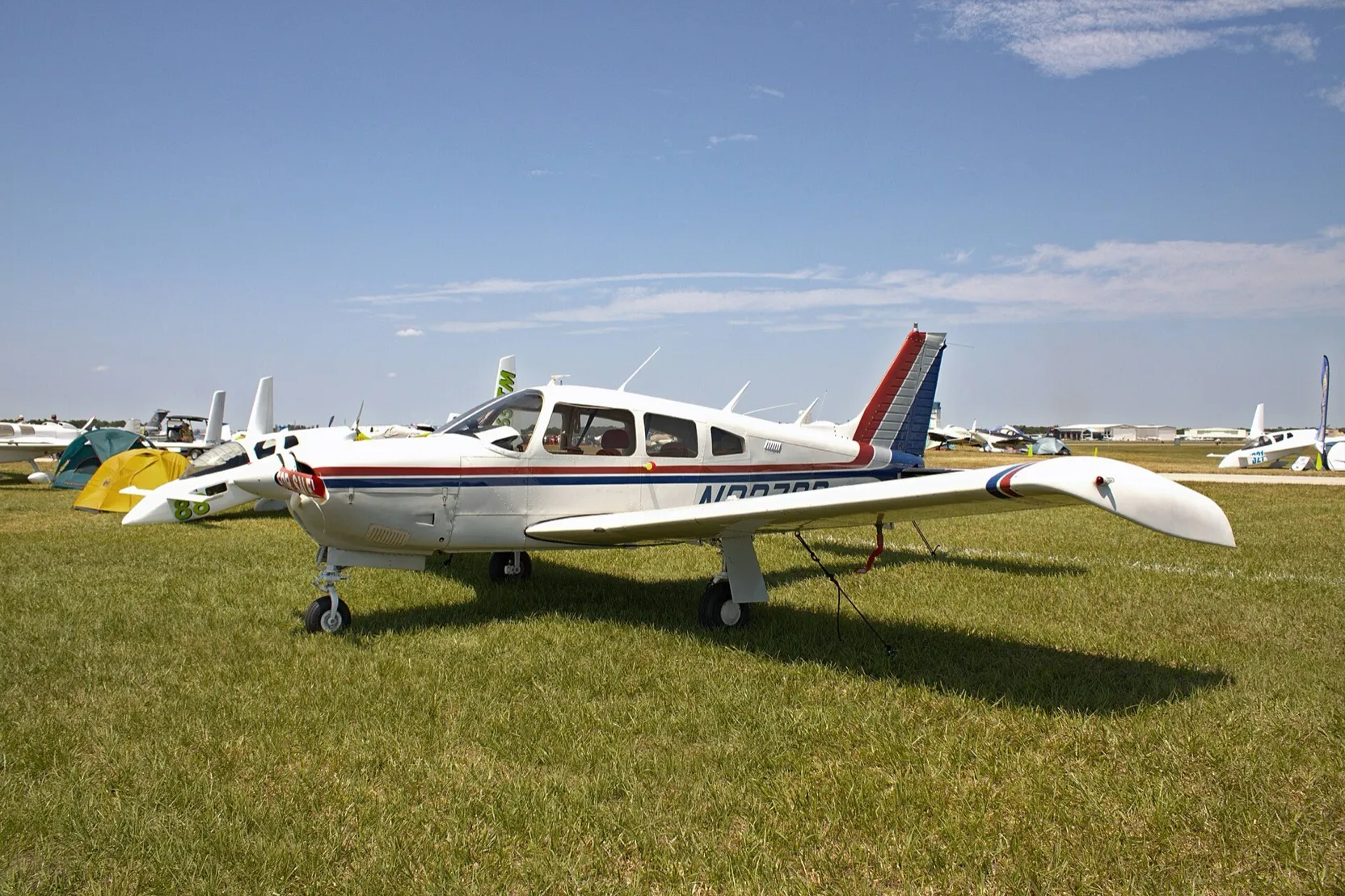
- No. This template covers the fixed-gear Cherokee/Warrior/Archer line and has no gear procedures. The retractable PA-28R Arrow is a different type with a gear-down check, a warning horn, and gear-malfunction items — use the Arrow template for that airplane.
Related aircraft

New to checklists? Read our guide to building an aircraft checklist →
Need the official numbers? Piper PA-28 Cherokee / Warrior / Archer POH & manuals →