Cessna 152 Checklist
A free, printable Cessna 152 checklist — 20 sections from Preflight Inspection to Carburetor Icing, free to edit, sized for a kneeboard.
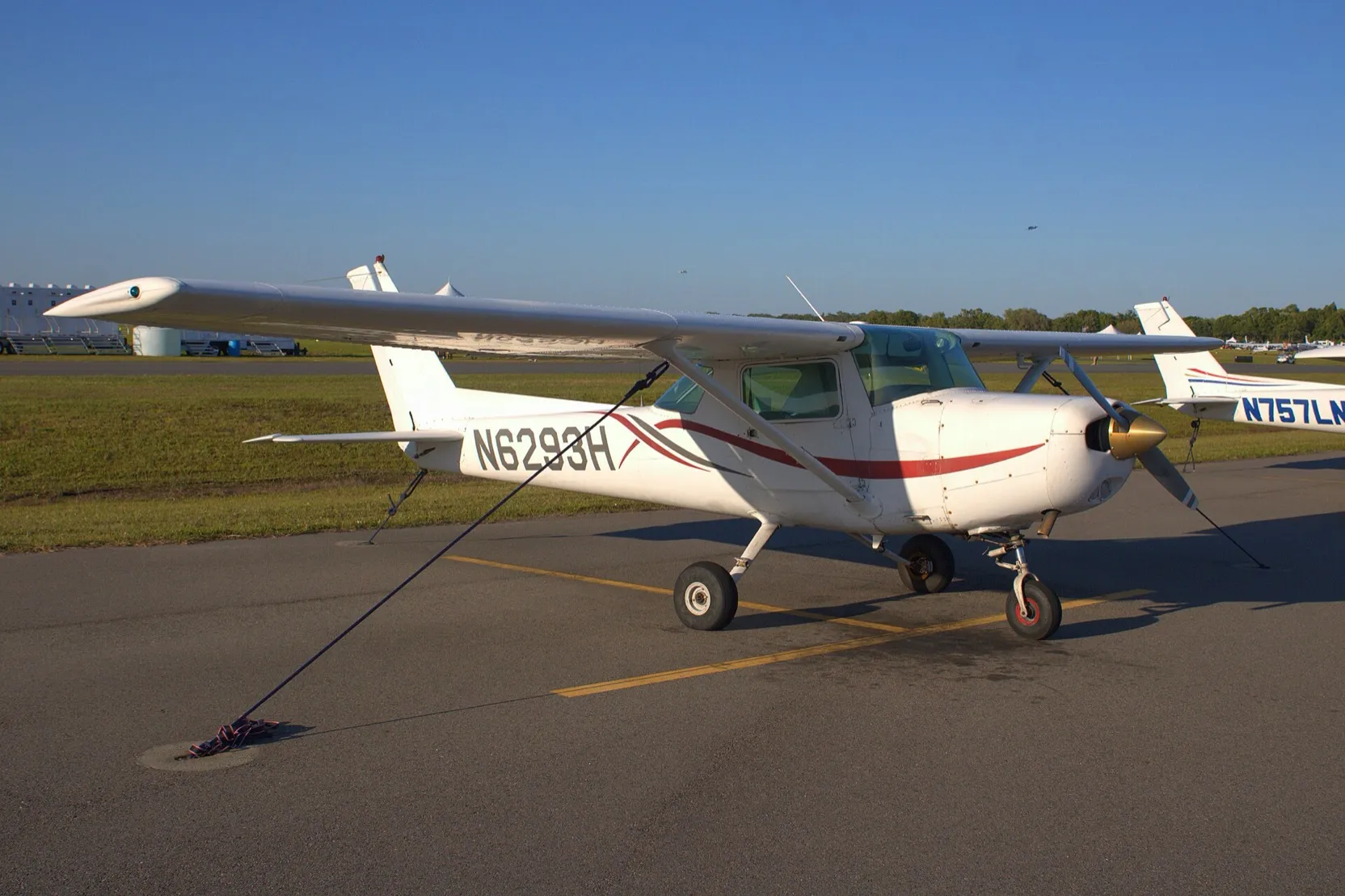
The Cessna 152
Two seats, high wing, fixed gear, a 108–110 hp Lycoming O-235, built from 1977 to 1985 as the follow-on to the 150 and still one of the most common trainers flying. What matters on a checklist is what the airplane doesn’t have: fuel is gravity-fed from both wing tanks through a single ON/OFF shutoff valve, so no LEFT/RIGHT/BOTH selector and no boost pump. The carbureted engine puts carburetor heat in the run-up, descent, before-landing, and abnormal flows instead of on one line you check once. Flaps are electric, 30° maximum. Copy a 172 checklist and you get all of that wrong.
I built this from the 152 I did most of my early training in, because the printable Cessna 152 checklists floating around were either photocopied 172s or missing the carb-heat discipline this airplane needs. Print it, add your tail number, and fly the numbers in your own POH, not mine.
Normal procedures
The normal side runs in the order you fly it, from the Cessna 152 preflight inspection and walkaround through shutdown and securing, with a standard C152 V-speed table at the end: Vs0 35, Vy 67, Vne 149, best glide about 60 KIAS. Carb heat recurs through the flow, and there is no fuel-selector step to run.
Emergency procedures
Memory items print in bold. It covers engine failure on the takeoff roll, after takeoff, and in flight, engine and electrical fire, alternator failure, and a carburetor-icing flow — the abnormal a 152 is genuinely prone to at low power in moist air. Best glide is near 60 KIAS: land straight ahead, no turn-back below a safe altitude. On many 152s the fuel-shutoff handle is safety-wired ON, so taking it OFF means snapping the break-wire. Verify every step against your POH and brief it with your instructor.
Verify it against your POH
Aircraft-specific numbers are left as “per POH” on purpose. Confirm these first:
- Run-up RPM and magneto drop limits — set them from your book.
- Usable fuel — roughly 13 gal/side standard (~24.5 usable), 19.5 long-range. Sources vary; use your weight-and-balance sheet.
- O-235-L2C vs N2C — carb-heat and run-up figures may not match. Check the data plate and your serial’s book.
- Short- and soft-field flaps and speeds — some published figures belong to the 150.
- Landing light — before-landing and after-landing assume one is fitted.
- Fuel-shutoff policy at shutdown — many schools leave it ON; confirm your operator’s practice.
Why not just print a static PDF?
- It's free with no caps — build, edit, save, and print as many as you want.
- You can add your own tail number and logo, so the checklist matches your airplane.
- Every page size is here — half-letter, A5, letter, and folding trifold or 2-up.
A PDF from the internet doesn't know your tail number, your panel, or your instructor's habits. Build your own in the time it takes to read this page — still free.
What's inside
- Preflight Inspection
- Before Start
- Engine Start
- Before Taxi & Taxi
- Run-Up / Before Takeoff
- Takeoff
- Climb
- Cruise
- Descent
- Before Landing
- After Landing
- Shutdown & Securing
- V-Speeds
- EmergencyEngine Failure — Takeoff Roll
- Engine Failure — After Takeoff
- Engine Failure — In Flight
- Engine Fire In Flight
- Electrical Fire In Flight
- Alternator / Electrical Failure
- Carburetor Icing
Questions pilots ask
- Is there a printable Cessna 152 emergency checklist here?
- Yes. The abnormal and emergency section covers engine failure on the takeoff roll, engine failure after takeoff (land straight ahead — do not attempt a turn-back below a safe altitude), engine failure in flight, engine fire, electrical fire, an alternator/electrical failure, and a dedicated carburetor-icing flow, with the reflex memory items in bold. It is a conservative training aid, so verify every step against your aircraft's POH.
- What speeds are in the Cessna 152 checklist?
- The checklist carries a standard-152 V-speed table: stall speeds of 35 KIAS at Vs0 (full flaps) and 40 KIAS at Vs1 (clean), Vx 55, Vy 67, Vfe 85, Vno 111, Vne 149, and best glide around 60 KIAS. Those are typical figures, so check them against your airplane. Run-up RPM and magneto-drop limits are intentionally left as "per POH" because they are aircraft-specific numbers we would not invent — set and check them against your book.
- Is this Cessna 152 checklist official?
- No. It's an original compilation organized by phase of flight, not a manufacturer document and not an approved AFM/POH. Treat it as a memory aid you build from your aircraft's real POH.
- Why doesn't it have a fuel selector step like a 172?
- Because the 152 doesn't have one. It uses a single ON/OFF gravity-feed fuel shutoff valve. A "fuel selector — BOTH" line copied from a 172 checklist would be wrong for this airframe, so you won't find it here.
- Why is carburetor heat mentioned so many times?
- The 152's engine is carbureted and prone to carb ice at low power any time there's visible moisture, even in mild temperatures. Carb heat belongs in the run-up, descent, before-landing, and the abnormal flow — not just one emergency line.
Related aircraft
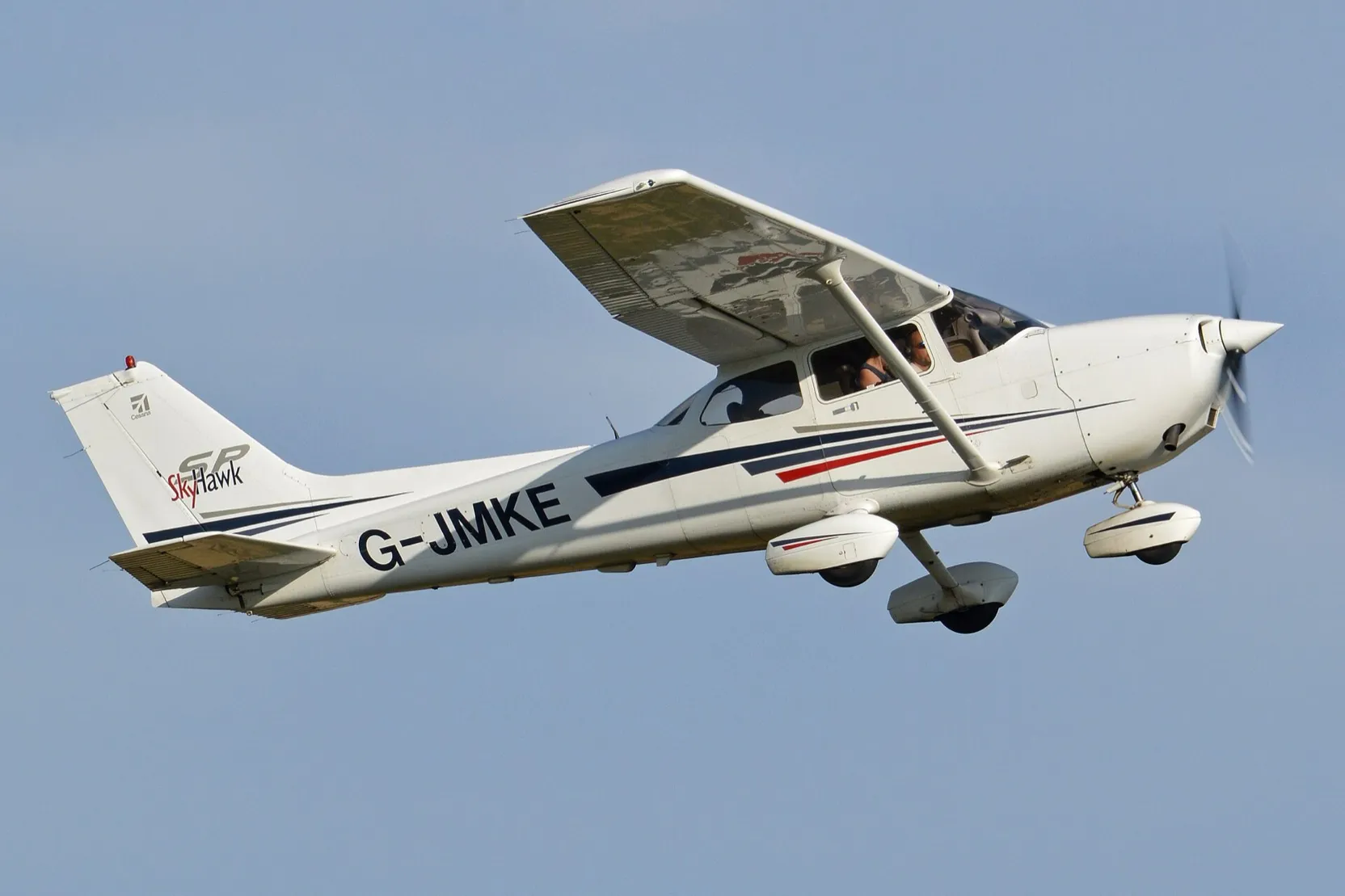
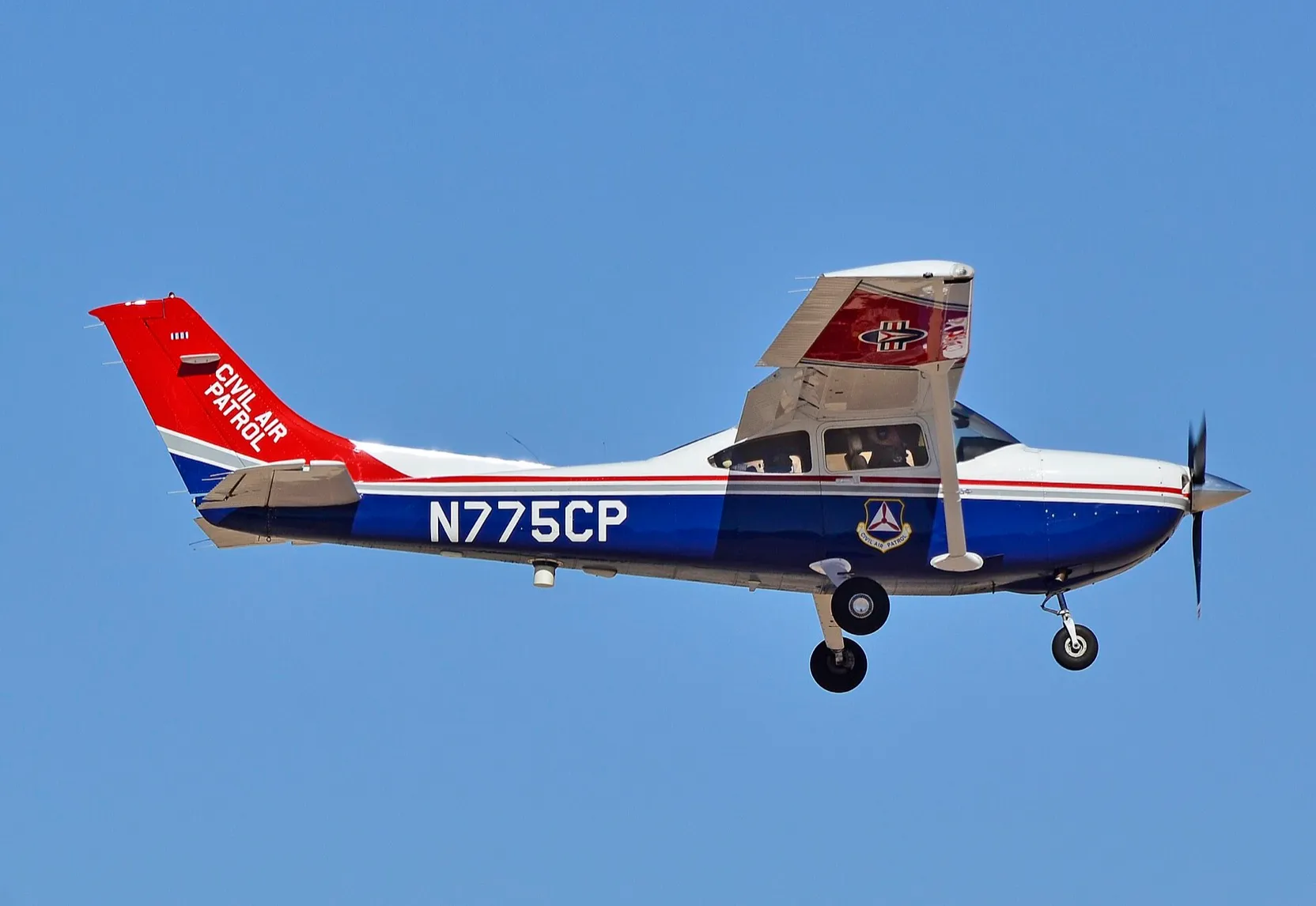

_(4-12-2024).jpg)
New to checklists? Read our guide to building an aircraft checklist →
Need the official numbers? Cessna 152 POH & manuals →