Cessna 182 Skylane Checklist
A free, printable Cessna 182 Skylane checklist — 23 sections from Preflight Inspection to Inadvertent Icing Encounter, free to edit, sized for a kneeboard.
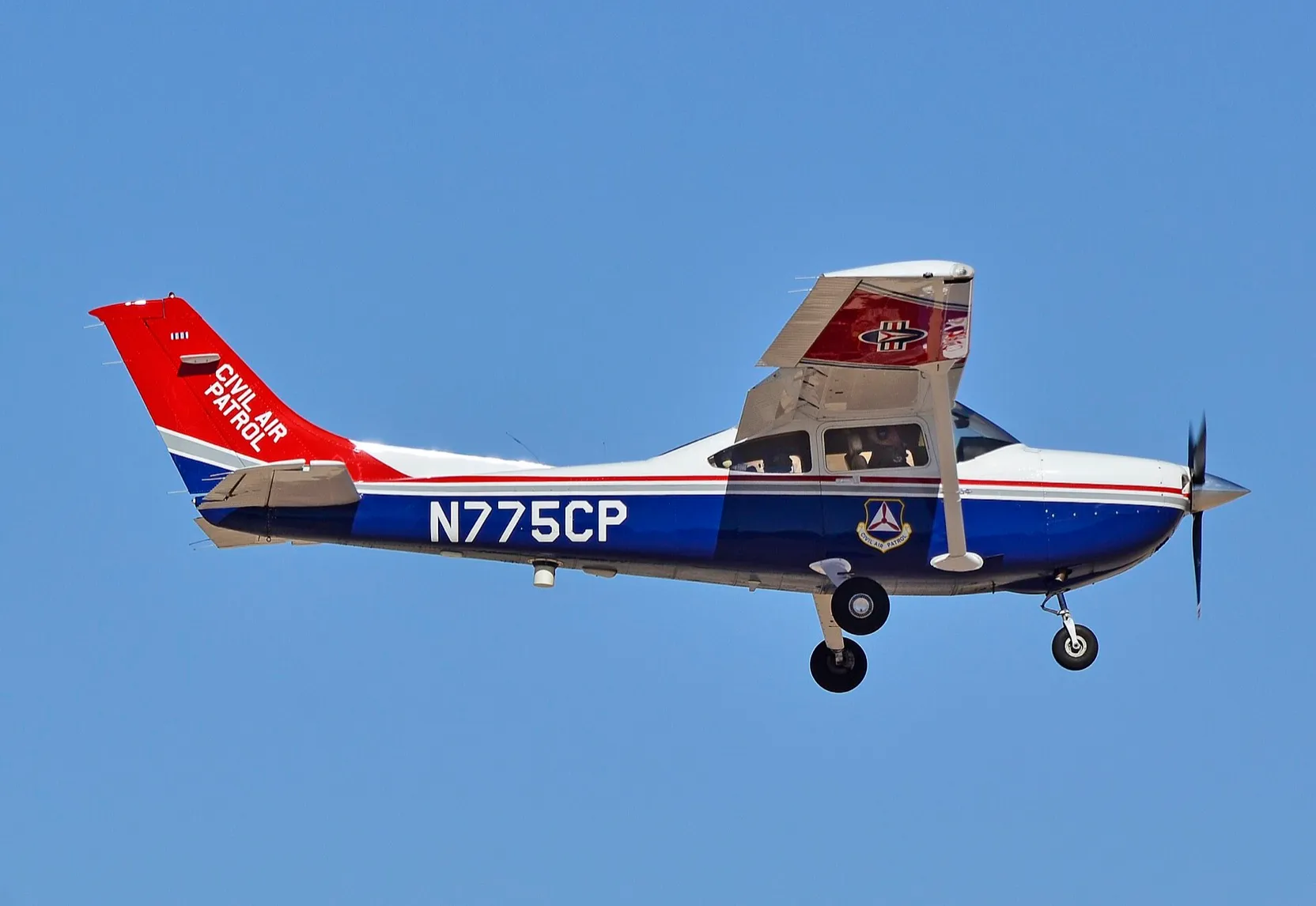
What the Cessna 182 Skylane is
A four-seat high-wing single, built since 1956, and the step up from a 172: 230 hp, real useful load, constant-speed prop. This checklist is the carbureted fixed-gear 182Q with the Continental O-470-U, and three of its controls are ones a 172 pilot never touches. Carb heat earns its keep — full heat before you pull power on approach, and first thing you reach for when manifold pressure sags in cruise. Cowl flaps are a manual lever, so every phase gets an open-or-closed call. The fuel selector has four positions (OFF/LEFT/RIGHT/BOTH) and rides on BOTH for takeoff, climb, descent, and landing. Variant matters: 182P and 182Q are carbureted, the 1997-on restart 182S and 182T are fuel injected with no carb-heat control at all, the T182T adds a turbo, and only the R182/TR182 retracts.
I fly a 172, not a 182, so I built this from the 182Q POH instead of muscle memory. The two things a generic “Cessna” checklist swallows are carb-heat discipline and the manual cowl flaps. Numbers are left as ranges, so fly it against your own POH and tell me if a step reads wrong.
Normal procedures
Preflight, before start, carbureted start, taxi, run-up, takeoff, climb, cruise, descent, before landing, landing with normal and short-field notes, after landing, shutdown and securing, then a 182Q V-speed table. Add your tail number and print it.
Emergency procedures
Nine flows, memory items in bold: engine failure on the takeoff roll, after takeoff at low altitude, and in flight with a restart attempt; a separate forced-landing sequence; engine fire; electrical fire; an alternator/electrical abnormal covering overvoltage and low-voltage cases; carburetor icing / rough engine; inadvertent icing. POH-derived steps, deliberately conservative, not an approved procedure.
Verify it against your POH
These vary by year, serial, and tank configuration. Check them against your approved POH, and brief the emergency flows with your instructor.
- Variant. Carbureted fixed-gear 182Q only. Carb heat is missing hardware on an injected 182S/T, and the R182/TR182 adds a gear flow this checklist doesn’t carry.
- Gross weight and the speeds riding on it. Anchored to a ~2,950 lb 182Q; many 182Q/R aircraft were later approved to 3,100 lb, which moves Va, best glide, and balked-landing speeds.
- Fuel drains. Two wing sumps plus the gascolator here. Long-range and wet-wing tanks add sump points, some aircraft a lot more.
- Numbers left as ranges. Vx 54–62 KIAS (the scanned table wasn’t legible by altitude), leaning the mixture above 3,000 ft in one source and 5,000 ft in another, prop run-up 2–3 cycles where the sampled POH gives no count.
- Soft field. The sampled POH printed only a short-field procedure, so your soft-field technique may be layered on that flow.
Why not just print a static PDF?
- It's free with no caps — build, edit, save, and print as many as you want.
- You can add your own tail number and logo, so the checklist matches your airplane.
- Every page size is here — half-letter, A5, letter, and folding trifold or 2-up.
A PDF from the internet doesn't know your tail number, your panel, or your instructor's habits. Build your own in the time it takes to read this page — still free.
What's inside
- Preflight Inspection
- Before Start
- Engine Start (Carbureted)
- Before Taxi & Taxi
- Run-up & Before Takeoff
- Takeoff
- Climb
- Cruise
- Descent
- Before Landing
- Landing
- After Landing
- Shutdown & Securing
- V-Speeds (182Q, typical)
- EmergencyEngine Failure on Takeoff Roll
- Engine Failure After Takeoff (Low Altitude)
- Engine Failure in Flight (Altitude Available)
- Forced Landing (No Engine Power)
- Engine Fire in Flight
- Electrical Fire in Flight
- Alternator / Electrical Failure (Abnormal)
- Carburetor Icing / Rough Engine
- Inadvertent Icing Encounter (Abnormal)
Questions pilots ask
- Is there a printable Cessna 182 emergency checklist here?
- Yes. The emergency and abnormal section covers engine failure on the takeoff roll, engine failure after takeoff, engine failure in flight with a restart attempt, a full forced-landing flow, engine fire, electrical fire, an alternator/electrical abnormal, carburetor icing / rough engine, and an inadvertent-icing encounter, with the memory items in bold. It is a conservative training aid, so verify every step against your aircraft's POH.
- What are the V-speeds for a Cessna 182?
- The checklist carries a 182Q-typical V-speed table: rotate, climb (Vx and Vy), best glide, approach and balked-landing speeds. Several are weight-dependent. This checklist anchors to a ~2,950 lb 182Q, and many aircraft were later approved to 3,100 lb, which shifts Va, best glide, and balked-landing figures — confirm yours in the POH.
- My 182 is fuel-injected — can I use this?
- Not as-is. This template is built for the carbureted 182Q. The "restart" 182S and 182T from 1997 on are fuel injected with no carburetor and no carb-heat control at all, and the T182T adds a turbo on top of that. Every carb-heat line on this checklist is a control that doesn't exist on your airplane, so start from your model's POH instead.
- Why is carburetor heat mentioned so many times?
- Because on the carbureted O-470 it's a primary tool, not an afterthought. Full heat goes on before you reduce power on approach, and it's the first thing you reach for any time manifold pressure drops unexpectedly in cruise. It belongs in the run-up, descent, before-landing, and the rough-engine flow.
- Does the 182 have retractable gear?
- Not this one. The fixed-gear 182Q has no gear horn, no gear position lights, and no emergency-extension procedure. Only the R182 / TR182 Skylane RG retracts — if a "182" checklist has gear-up/gear-down items, it's the wrong variant for this airframe.
Related aircraft
.jpg)
New to checklists? Read our guide to building an aircraft checklist →
Need the official numbers? Cessna 182 Skylane POH & manuals →