Cirrus SR22 Checklist
A free, printable Cirrus SR22 checklist — 20 sections from Preflight Inspection to Alternator / Electrical Failure, free to edit, sized for a kneeboard.
What the Cirrus SR22 is
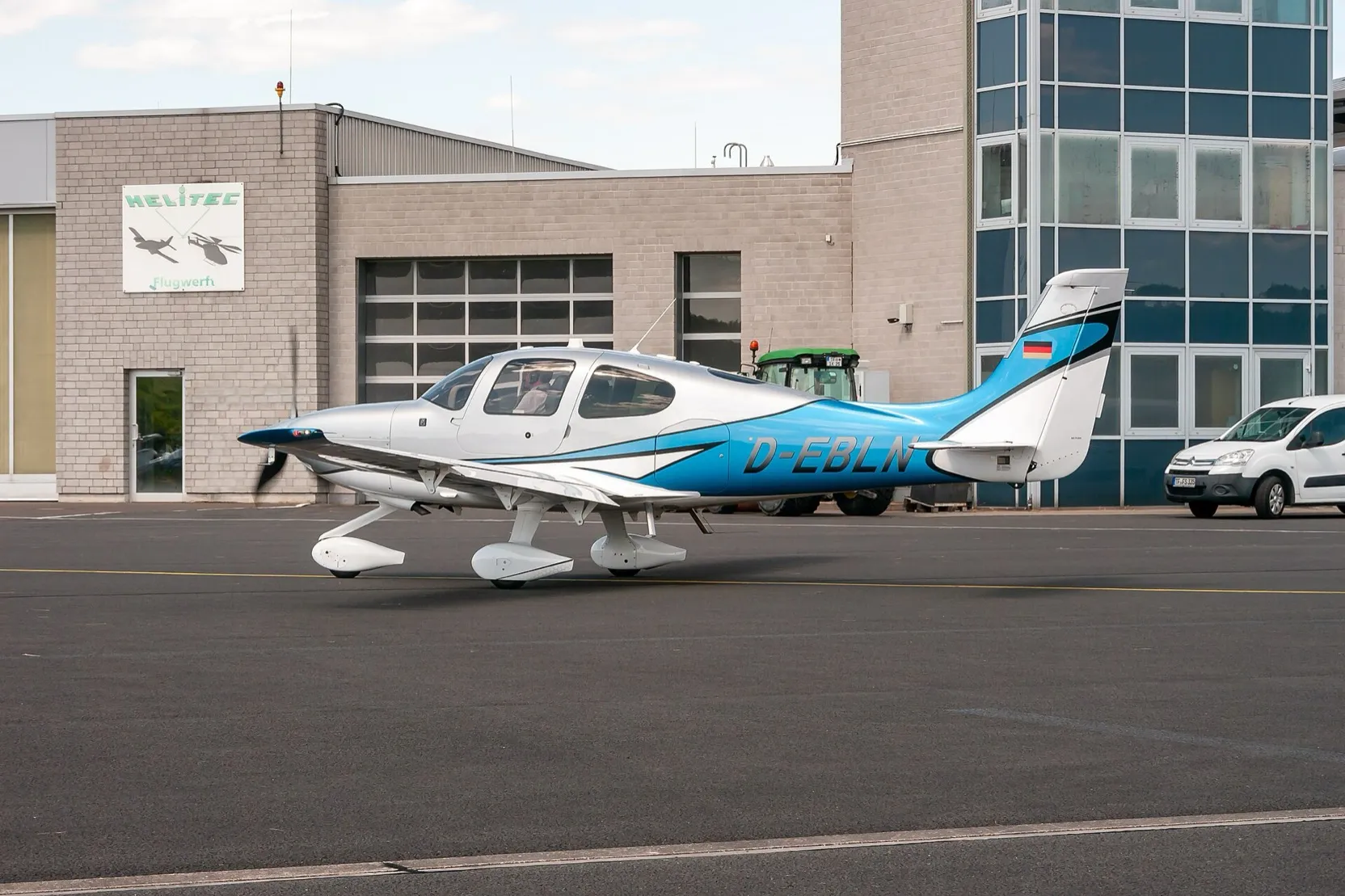
A four- or five-seat composite single, in production since 2001, and the big-engine end of the SR line: every normally-aspirated SR22 runs a Continental IO-550-N at 310 hp where the SR20 gets 200-215. Fixed gear, injected in every generation so no carb heat, side yoke, and differential braking on a free-castering nosewheel. The fuel selector reads LEFT, OFF, RIGHT with no BOTH, so tank balance is work you do in cruise. CAPS, the whole-airframe parachute, changes the emergency philosophy: for a genuine loss of control the trained response is the handle, not a conventional recovery. G1 through G6 all use the IO-550, and the turbo-normalized SR22T is its own animal.
The SR22 is a lot of airplane behind that Continental 550, and the emergency mindset comes back to one question: is this a CAPS situation or not. I built the checklist around the G3/G5 with the Perspective panel, since that is what most people rent or buy used, and left every CAPS speed and altitude off it on purpose. Print it or save the PDF, add your tail number, and treat the parachute as trained, not as a gimmick.
Normal procedures
The checklist runs preflight through securing in phase order, with takeoff split into normal and short/soft field, plus a G3/G5-era table of SR22 V-speeds. The fuel selector repeats at before start, run-up, cruise, descent, before landing, and shutdown, because with no BOTH position a forgotten tank is an engine-out you built yourself.
Emergency procedures
The SR22 emergency checklist turns on one decision, CAPS situation or not. It covers engine failure on the roll, after takeoff, and in flight with a restart attempt, engine fire, electrical fire and smoke in the cabin, a CAPS activation flow, and an alternator/electrical abnormal, memory items in bold. No CAPS deployment speed or minimum altitude appears on it: those move with generation, and a wrong number is worse than none.
Verify it against your POH
What genuinely varies by generation, serial, and operator. Settle these with your POH and a Cirrus-standardized CFI before you fly the checklist:
- Engine, SR22 vs SR22T. Normally-aspirated IO-550-N, 310 hp here; the SR22T adds wastegate and turbo management steps this checklist skips. One stray source claimed a “Lycoming IO-390, 215 hp” G6, against every other reference putting the IO-550 throughout.
- CAPS speed and minimum altitude. Maximum demonstrated deployment speed gets cited from ~140 KIAS on early airframes to ~185 on later ones. Neither number is on the checklist; take both from your POH revision.
- CAPS decision altitude and altitude loss. A ~2,000 ft AGL threshold and losses of roughly 400-1,100 ft by attitude, airspeed, and generation circulate in training material, unconfirmed here against a primary CAPS guide.
- Memory items. Standard doctrine for the type, not a transcription of your revision’s boxed items, which have changed across revisions. Top of the CFI sign-off list.
- V-speeds, especially Vfe. Flap limits spread unusually wide across sources, likely 50%/100% detent differences between generations. Work from one POH.
- Fuel and drains. Usable fuel ranged from 81 to 94.5 gallons across generations and total-vs-usable definitions; the checklist assumes ~92 usable on later airframes. Confirm it and your drain count.
- Short- and soft-field flaps and speeds. Cited generically here; degrees and speeds differ by generation.
Why not just print a static PDF?
- It's free with no caps — build, edit, save, and print as many as you want.
- You can add your own tail number and logo, so the checklist matches your airplane.
- Every page size is here — half-letter, A5, letter, and folding trifold or 2-up.
A PDF from the internet doesn't know your tail number, your panel, or your instructor's habits. Build your own in the time it takes to read this page — still free.
What's inside
- Preflight Inspection
- Before Start
- Engine Start
- Before Taxi & Taxi
- Run-up & Before Takeoff
- Takeoff
- Climb
- Cruise
- Descent
- Before Landing
- After Landing
- Shutdown & Securing
- V-Speeds (G3/G5, typical)
- EmergencyEngine Failure on Takeoff Roll
- Engine Failure After Takeoff (Low Altitude)
- Engine Failure in Flight (Altitude Available)
- Engine Fire in Flight
- Electrical Fire / Smoke in Cabin
- CAPS Activation (Last Resort)
- Alternator / Electrical Failure (Abnormal)
Questions pilots ask
- Is there a printable Cirrus SR22 emergency checklist here, including CAPS?
- Yes. The emergency section covers engine failure on the takeoff roll, engine failure after takeoff, engine failure in flight with a restart attempt, engine fire, electrical fire / smoke, a CAPS activation flow, and an alternator/electrical abnormal, with the memory items in bold. It carries no CAPS deployment speed or minimum altitude by design — those are safety-critical and vary by generation, so confirm them with your POH and a Cirrus-standardized CFI.
- What speeds are in the Cirrus SR22 checklist?
- The checklist carries a G3/G5-era V-speed table. Flap-limit speeds (Vfe) showed an unusually wide spread across sources, likely from 50%/100% flap-detent differences across generations, so confirm every number against a single POH for your generation rather than mixed secondary sources. All CAPS numbers are left off on purpose.
- Is this the SR22 or the turbo SR22T?
- This checklist is the normally-aspirated SR22 with the Continental IO-550-N, 310 hp. The SR22T is turbo-normalized and adds engine-management steps (wastegate/turbo handling, different power settings) that are not here. If you fly a T, treat this as a starting point and take the turbo-specific procedures straight from your SR22T POH.
- There's no BOTH fuel position — how should I manage fuel?
- Correct, and it is the habit that catches pilots coming from Cessnas. The SR22 selector is LEFT, RIGHT, or OFF, so you actively switch tanks in cruise on a routine and confirm the engine keeps running after each switch. Common practice is to keep a hand near the selector for about 15 seconds after a change and watch fuel pressure hold before trusting it. The checklist repeats the fuel selector at before start, run-up, cruise, descent, before landing, and shutdown for exactly this reason.
- Why doesn't the checklist give a CAPS pull speed or altitude?
- Because those numbers are safety-critical and change across generations and serials, and a wrong number on a checklist is worse than no number. CAPS is a trained, type-specific procedure: the checklist gives you the decision and the sequence, and sends you to your POH and your Cirrus-standardized CFI for the exact deployment speed and minimum altitude. Treat the parachute as something you train for, not something you improvise.
Related aircraft
.jpg)
New to checklists? Read our guide to building an aircraft checklist →
Need the official numbers? Cirrus SR22 POH & manuals →